In the world of project management software, Basecamp is known for doing things a little differently. But, does different mean that it's better? It's for you to decide. Hey there project managers, I'm Meredith Anne in this video we're taking a look at Basecamp. But, don't stop with this video. Check out our website at project-management.com for in-depth articles, helpful tips, and info about project management software. Click the link in the description below to get started.
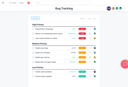
Basecamp is a project management system, although it might look a little bit different from other systems that you've used. That's because Basecamp bills itself as a replacement for multiple different applications like social collaboration, to-do list, calendar, and cloud storage. Essentially, Basecamp is an application for collaborating on work, keeping track of tasks, and communicating with colleagues. That sounds a little vague, just keep on watching.
Now, Basecamp is best suited for small to medium-sized organizations, and it comes in two different plans, including a free forever plan. Now, if you want to test out the paid version first, you can always sign up for a 30-day free trial. All right, before we go any further, it's important to mention that we're reviewing Basecamp 3 in this video. Now, some people use older versions of the software, so just keep that in mind. Cool? All right, let's keep going.
Basecamp is organized into spaces. Now, all the spaces come with the same seven tools, but you can turn these on and off as you like and just rearrange them to suit your preferences. Tools include a message board, to-do list, a schedule, automatic check-ins, docs and files, and something called campfire, which is kind of like a chat channel specific to the space that you're working in. Basecamp will prompt you to create your first space when you sign up, an HQ space for company-wide announcements and general things that everyone in the company should know.
From there, you can create as many spaces as you want, as long as you go with the paid plan. And then you can organize them into different teams and projects. Apart from spaces, tools are really the backbone of Basecamp. Now, like I said, you can use up to seven tools in any space. So, if you don't think that you'll need the automatic check-ins tool for a website rebrand project, for example, you can just turn it off. Most tools are pretty straightforward, but some tools may seem a little unfamiliar at first.
Let's look at the message board. Now, unlike the Campfire tool, this is not a place for instant messaging. Instead, it's a place for space-wide announcements that could otherwise probably just be emails or memos. The automatic check-ins tool is almost like something you'd expect to see in an employee engagement software tool, like 15Five or CultureAmp. Using this tool, you can automatically ask team members questions on a recurring schedule. Now, this is a good way to do a pulse check for your team and to increase transparency.
Last but not least, the email forwards tool lets you add items to Basecamp by forwarding it to a custom email address for your organization. Now, you have two options here. Either you can forward an email to a generic Basecamp email address and then choose the space you want to save it to, or you can use a special email address to automatically save it to the space you're looking for. Basecamp is a top-rated tool, but there are still some pros and cons of using this system.
Let's start with the pros. Basecamp is easy to use and it works well for a variety of different projects. The interface is simple while still offering a surprising degree of functionality and the user experience is good. But, Basecamp isn't perfect. Perhaps the biggest con of Basecamp is that, while it markets itself as a tool to replace other apps like Slack, Google Drive, and Asana, none of its tools offer the same amount of functionality that you'd get by using those three separate apps in combination.
And if you're used to working with a more traditional project management system, you might miss the lack of different task views in Basecamp. One final point that could be a pro or a con, depending on your situation, is the way that Basecamp prices its product. Now, at the time that I'm filming this, Basecamp only offers one paid plan, priced per month and billed either monthly or annually. Now, this is great for keeping things simple, but smaller teams may feel like they could get a better deal by going with a solution priced per user per month.
Hopefully, you now have a better sense of whether or not Basecamp is right for you. But, if you're still not sure, click the link in the description below for more tips on project management software tools. Be sure to subscribe, turn on notifications for more project management software videos, and we'll see you next time. Bye.
This transcript was generated automatically from the
video's captions and may contain errors.