




Editors Picks
Our latest articles and guides on all things projects



Top Project Management Tools
Our latest and greatest step by step




Find your Perfect Products
Learn more about products you love
Web App of the Month
monday.com
Plan, execute and track your work in one visual, collaborative space. Optimize and automate your workflows, manage workload and prioritize tasks. Get full visibility on where things stand at any stage.

Agile Software of the Month
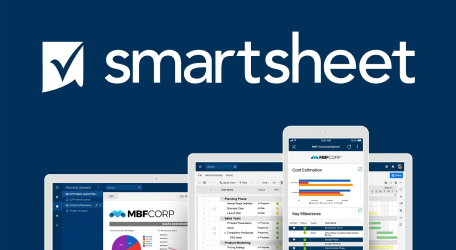
Smartsheet
Smartsheet is an online project management & task collaboration tool that is redefining how teams work. It has a familiar and easy to use spreadsheet-like interface, coupled with file sharing, Gantt charts, and work automation features.
Project Management Resources
Thankfully in today’s digital age, a few task management tools have come up to make the manager’s work easier.
Designed for project manager and business managers. It can also be for anyone who has a leading role in a project.
Deliver 100% online certification courses. Their portfolio includes but is not limited to: PMP, agile, scrum, ITIL, CAPM, etc.
Innovative e-learning company with a focus on project management and preparing for the PMP exam, scrum, ITIL, CAPM, etc.
Here is where to begin your search for an app that will perfectly fit your needs. All apps are listed by categories, which will ease your search accordingly.
Where should you study to get your PM certification? There are a lot of places who offer training. Here are our 5 picks.
Featured Products
{{ POSITION }}. {{ TITLE }}
Project-Management.com may receive a commission from merchants for referrals from this website
Our Contributing Experts
We work with industry leaders and project management experts to bring you in-depth research and insights on software, tested tips, step-by-step guides, and real-world examples project management concepts and methodologies.

Lauren Good
In-depth, hands-on coverage of the PM, IT, security sectors

Anne Carroll
Veteran project management writer & consultant, digital team lead

Hannah Donato
Project management researcher, writer, video game producer & team lead

J.R. Johnivan
17 years’ experience covering PM, IT, networking, security, cloud computing

Shelby Hiter
Hands-on researcher, writer and editor, covering project management, IT, SaaS

Web Webster
Managing Editor, 30-year tech sector veteran, writer, editor, team lead
Partner with Us
Maintaining an online presence is key in the competitive project management software space. That’s why you should consider including project-management.com in your marketing mix.

6.1 million unique visitors per month
9 million unique page views per month
You’ll be in a good company of the world-leading SaaS brands





Latest How-To Guides
Our latest and greatest step by step