Practically everything that we know follows a cycle. There's the water cycle, the planetary cycles, the overwhelming number of laundry cycle settings you can choose from. Seriously. There's too many. So it’s no surprise that project management also has its own cycle it follows. With five phases to be exact. Hello, Project Managers! I'm Mackenzie. And today we’re going to go over the five phases of the project management life cycle. So when I mentioned the five phases, I'm talking about Project Initiation, Project Planning, Project Execution, Project Monitoring and Control and Project Closure.
Each phase is a collection of project management activities that are essential for every project manager to follow and complete. Though each stage has a different distinct focus, the relationship of the phases are often sequential. And each stage can conclude with the completion of one or more deliverables. Implementing the cycle in every project is an excellent way to manage a team's focus, allocate resources and align the entire project life cycle with clients and stakeholders.
And by thinking in terms of phases, the team ensures that deliverables produced at the end of each phase meet the project's goals. Plus, managing a project by phases also make sure that the team is properly prepared for every step they start. So in order to master the project management cycle, you got to know what each phase is all about. Let's get started. A team's performance during the initiation phase can result in either authorization, delay or discontinuation of a new project.
The goal of the initiation phase is to ensure that the project meets business needs and to align stakeholders and project teams. Because of that, it's best to involve internal and external stakeholders during this phase. That way, you can effectively align expectations and increase the likelihood of completing deliverables throughout the life cycle. During the initiation phase, the entire team defines the project idea and the project sponsor evaluates it and authorizes it to proceed.
The project manager starts the documentation process, which includes the justification, deliverables, risk, estimated costs and resource requirements. The Project Charter is a key deliverable of the project initiation phase and contains all this information. It is the first formal definition of the project and it authorizes the project to exist, establishes the authority of the project manager and documents high level requirements, milestones and success criteria.
Another important document in the initiation phase is the Stakeholder Register. This document includes information about all the stakeholders of the project. It identifies the people, groups and organizations that have an interest in the task, project, and its results. Approval of the Project Charter and the Stakeholder Register signals the advancement of the project into the next phase of building plans. In the project planning phase, the team members dive into requirements, tasks, timelines and actions while the project manager works with the entire team to create the design, enumerate the task list, and estimate the budget.
The team builds the resource plan, the communications plan, and the initial project schedule. The project manager also establishes the roles and responsibilities of the team and stakeholders. The project scope is finalized depending on the approved available resources and the client priorities. During the planning phase, the team finalizes the work breakdown structure, project plan, requirements list, communications management plan, and other relevant documents to iron out the workflow and coordination with involved parties.
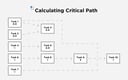
The project plan is a key deliverable and contains a detailed work breakdown structure or task list, with start and end dates, an estimated effort, and duration. It identifies milestones, resources and the schedule. It also includes task dependencies that will allow the team to use critical path method if it chooses. Other important deliverables are the communications management plan, which helps facilitate effective communication with stakeholders and the resource allocation plan, which identifies the whole project schedule.
Something PM should keep in mind, as you discover more information you may have to adjust your previous project plan and related procedures. More complex projects will require more back and forth approvals for every task created. Project planning is an interactive process, so the project manager should review, revise and revisit all the plans often until the completion of the project. It is also crucial for the team to involve relevant stakeholders in this stage of the life cycle.
The project execution phase is when the team focuses on achieving all the objectives set in earlier stages. The project manager likely uses project management software to control every aspect of project delivery and keeps the project on track for the remaining duration of the life cycle. Project management tools that centralize task information along with resource availability and team communication can simplify and optimize the needed project management processes.
Quality assurance documentation, meeting minutes and work orders are some of the documents created during the execution phase of the project management life cycle. It's likely you'll discover new information that will require a revisit and update of the initial project management plans. Be vigilant with change requests and make sure that the necessary adjustments are managed. The project monitoring and control phase happens simultaneously with the execution face.
The project team carefully tracks progress based on the project plan established in Phase two. Tracking the performance of the project through various metrics is crucial to ensure the project stays on schedule within the budget and within scope. By keeping track of change management documents, spending records, QA checklists and team time tracking, one can measure where efforts and resources go throughout the project life cycle. Both the execution phase and the monitoring and control phase are critical times that can determine the project's success.
Aside from monitoring and the progress of tasks, the project manager also tries to identify issues or risk, creates a mitigation plan with the team and reports the project status regularly to stakeholders. Being diligent in recording and measuring project progress puts the project team in a strategic position. They can identify bottlenecks and initiate essential discussions or project management process improvements. Having a proactive approach will allow the team to respond rapidly to any change in the plan.
Consistent and appropriate status reporting will update interested stakeholders and provide them the opportunity to intervene in or redirect the project as needed. If additional planning, time or resources are needed, you're going to need to communicate that to relevant stakeholders before it's too late. If you're following all the PM phases, then you'll have the data and the results to justify your request. Plus, you'll have a better chance of maintaining trust despite the circumstances.
Last, but not least, is the project closure phase. It may involve the submission of a final deliverable, fulfilling contractual obligations, terminating relevant agreements, or releasing project resources. The documentation required to complete the project closure phase will differ depending on the situation. In this phase, the project manager communicates the final project disposition and status to all stakeholders and informs participants of any follow-on activities or a continuing product life cycle.
Regardless of the outcome of the project life cycle, it would be good for the team to conduct a project retrospective. During this post-mortem activity, the project team can process new lessons and ensure the improvement of current PM processes for a future project. It is a good idea to organize and store project materials such as final meeting minutes and other closure reports in a shared team folder. Not only will these materials be turned over at the end of this phase, but they can also provide reference during performance evaluation.
The opportunity to continually test, improve and reinvent ways to manage the whole project life cycle can help grow the organization and its business. And that's everything you need to know about the project management life cycle. Take this knowledge and go apply to all your project endeavors like that upcoming pitch meeting. Your next big tech innovation. Even when you go train your dog. OK. That last one's not exactly a “project,” but the goals are similar enough.
If you're interested in learning more about project management, then I recommend going to watch this video. But before you go, be sure to click the like icon at the subscribe button and head over to Project-Management.com for all things project management. Thanks for watching!