






















Project management software today is supposed to do it all. But with so many features packed into one platform, getting it right from day one takes work. Even competing product claims can also make the wrong platform seem promising.
I’ve spent five years as a tech analyst helping project managers choose software for their teams and business needs. If you’re starting to question your current tool stack, these five warning signs can help you tell whether your project management software is slowing the team down.
- Sign #1: New team members take weeks to figure out how to use it
- Sign #2: Routine updates slow down as your project data grows
- Sign #3: Delays require manual downstream adjustments
- Sign #4: Problems are flagged too late
- Sign #5: Conversations happen everywhere except inside the tool
- When it may be time to replace the software
Sign #1: New team members take weeks to figure out how to use it
A slow onboarding process does not always mean the product has advanced capabilities. It can mean the workspace has too many views, labels, or team-specific rules. Companies blame employees for low adoption when each department has its own naming system and process inside the same account.
What this may look like
- Two departments use the same status label for different work stages.
- Employees repeatedly ask where to find information on current projects.
- People update the wrong field because several columns appear to serve the same purpose.
- Only one admin understands how the workspace was configured.
Where to start
Look for role-based views, reusable templates, and naming conventions. A new user should know where the assigned task appears and where updates belong after one walkthrough.
Before replacing the software, simplify the workspace and remove duplicate views. A product change will not solve an account that has become difficult to navigate through years of added fields and exceptions.
Sign #2: Routine updates slow down as your project data grows
Most PM platforms need more processing power as boards accumulate tasks, attachments, comments, automations, and historical records. Some slowdown is expected, but it becomes a problem when basic actions such as changing a status or opening a project view interrupt daily work.
At that point, the software is no longer just storing more information. It is increasing the time required to manage it.
What this may look like
- Status changes take several seconds to save.
- Large boards freeze when users filter or sort tasks.
- Dashboards take too long to load during meetings.
- Automations run late after a task update.
Where to start
Check how the platform performs with a project similar in size to yours, not a small demo board. Ask the vendor about task limits, archive behavior, attachment storage, and automation capacity. You should also confirm whether enterprise search, reporting, and dashboards remain responsive as the account grows.
Before replacing the software, archive closed work and remove unused automations to see whether workspace cleanup improves performance.
Sign #3: Delays require manual downstream adjustments
Task dates should respond when dependent work changes. If a single delay forces the PM to update each later date, the software is not recalculating the timeline as the plan changes. This takes more time in projects with several phases, task owners, or external approvals.
What this may look like
- The Gantt chart and task list show different dates after an update.
- Project managers adjust each dependent task one at a time.
- A shifted task creates resource conflicts that the system does not flag.
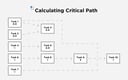
- The final deadline stays unchanged even when a critical-path task moves.
Where to start
Look for dynamic dependencies and automated rescheduling. Before applying changes, the software should calculate the effect of a delay and show the proposed date. Check whether it respects working days and planned time off.
I would also test how the platform handles shared resources, since a technically correct schedule can still fail when the assigned person is unavailable.
Sign #4: Problems are flagged too late
A tool that reports delays only after they happen gives the project manager little time to respond. Platforms with predictive features enable users to examine future workloads, revise scope, or speak with the owner while there are still options available.
What this may look like
- Budget warnings appear after spending exceeds the approved amount.
- Workload reports show overassignment after the person has accepted the work.
- Risk registers depend entirely on task entries.
- A delayed task does not prompt a warning for affected milestones.
Where to start
Look for alerts based on upcoming deadlines, capacity limits, and changes to dependent work. The warning should explain what triggered it and identify the affected tasks or milestones.
I would be cautious with AI-generated risk scores that show a number without the project data behind it. The alert should provide the PM with sufficient evidence to decide whether action is required.
Sign #5: Conversations happen everywhere except inside the tool
Teams will continue to use chat and email, and that is not a problem in itself. The problem starts when decisions about dates, scope, or ownership are made in private messages. The task record then shows what changed without explaining who approved it or why the change happened.
What this may look like
- A deadline changes in Slack, but the task still shows the previous date.
- A client approves work by email, yet the approval is not attached to the task.
- Team members discuss blockers in chat, while the project board still shows normal progress.
- Managers still ask for updates because they do not trust the project record.
Where to start
Choose a platform that connects task comments with chat or email activity. Each decision should link back to the task, milestone, or deliverable it changes. The goal is not to copy every conversation into the PM tool—look for message integrations, task-specific comments, approval records, and links between conversations and project items.
When it may be time to replace the software
Not every problem calls for a new platform. Poor adoption may come from how the workspace was configured, while duplicate entry could be reduced through integrations or simpler workflows. Before switching, test whether changing your current setup resolves the issues.
Replacement becomes more reasonable when the software itself cannot support your operations.
Consider moving to another platform when:
- Essential workflows still depend on spreadsheets or separate systems.
- The software cannot connect with tools your team uses every day.
- Schedule changes require repeated corrections.
- Core reports depend on extensive data entry before they become accurate.
- The features your team needs require an upgrade that exceeds your budget.
- Training and workspace changes have not improved adoption.
- The vendor no longer supports the capabilities you require.
Once you decide to switch, test the new platform with a real project rather than checking off boxes on a feature wishlist. You can also consult our top 10 project management software guide to compare other options before starting a trial.