




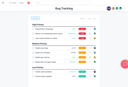

















Imagine a PMO that has beautiful dashboards, perfectly nested task hierarchies, and a Gantt chart that looks like a digital work of art. Yet despite this organizational perfection, deadlines slip, budgets bleed, and teams burn out.
If this sounds familiar, you might be falling into one of the most common traps in modern project execution: your expensive, feature-rich project management software has become a highly sophisticated digital filing cabinet.
There’s a massive difference between a tool that manages work and one that merely records it—I’ve learned this lesson numerous times. If you want to drive actual outcomes and protect your team’s bandwidth, you need to know which one you’re using to determine if it’s time to upgrade or just use what you have more effectively.
The “system of record” trap
A system of record is exactly what it sounds like. In the PM space, these tools are often characterized by their requirement of manual input and retrospective data. I have seen these types of tools where a PM will spend hours entering information, only to get the same information back in a chart or graph.
When a platform functions solely as a recording device, it acts like a rearview mirror. It provides stale data from the past and tells you that a task was completed two days late, a budget was blown last week, or that a key milestone was missed, all after the fact. While historical data is absolutely necessary for compliance, billing, and post-mortems, it offers no proactive value to a PM trying to steer a complex initiative in real time.
You know your software is stuck in “recording mode” if your team spends more time updating task statuses than executing the work itself. If your weekly status meetings consist of the PM reading from their dashboard just to ensure everyone checked their respective boxes, then the software is just creating additional administrative overhead. In this scenario, the PM tool becomes a digital nag, a glorified to-do list that demands constant feeding but offers no strategic insight in return.
What true project “management” looks like
Active PM software acts more like a compass. It looks at past information to help you manage the current trajectory of tasks and resources and alerts you to potential roadblocks before you hit them.
Take workload management, for example. A reactive system of record will tell you if and when a senior developer has hit their allocated hours for the week—helpful for timesheets and invoices, but not much else. A proactive management tool, on the other hand, will monitor the developer’s velocity and alert you on Wednesday that they won’t have enough billable hours to complete their task by the end of the week. The difference allows you to proactively re-allocate resources to avoid bottlenecks and unnecessary delays.
Related: Seeing the Storm: Can You Predict Project Failure Before It Happens?
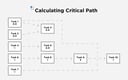
I have also seen tools that actively manage the work and help eliminate some of the busywork that eats into our lunch breaks. For example, when a developer finishes a block of code, the tool triggers a one-click workflow that assigns and notifies code reviewers based on availability and expertise. It can also instantly adjust the critical path and recalculate the dependent timelines based on when the code was sent for review.
The best tools I have used rely on foresight and not just data entry. A recording tool sends an email to say, “You missed your deadline.” A management tool warns of the looming deadline and also lets you know that, “If Task B is delayed by one more day, you have a 70% chance of missing your final deadline. Here are two ways to reallocate resources to prevent it.”
Related: I Found 8 AI Project Management Tools Worth Using in 2026
The 4-question audit
How do you know which type of tool your organization is currently using? Start by taking a hard look at your current PM software setup and ask your team these four questions to understand its current operational state:
- Who works for whom? Do you spend hours feeding data into the system, or does the system feed actionable information to you based on existing inputs?
- Is it predictive or reactive? Does your dashboard warn you about impending budget overruns and resource clashes, or does it only highlight them after the damage is done and you are already paying that contractor overtime for no reason?
- Where do conversations happen? Are your key leaders and all team members able to communicate and upload work/updates directly into the tool, or are they using an external system and then updating the status in the tool?
- Are dependencies dynamic? When a critical task is delayed, did the software proactively give you a warning, automatically recalculate the ripple effect across the entire portfolio to give you a revised plan of action, or did you have to manually shift every subsequent date after you noticed the task was delayed?
Bridging the gap from passive to active
If your audit reveals that you are merely recording projects, it might not be time to abandon ship—at least, not yet. More often than not, I’ve found that the flaw isn’t the software itself but how we’ve implemented it. Here’s how I determine what needs to change.
Map friction points
First, take a long, hard look at your processes. Understand where there are bottlenecks, wasted steps, and just plain busywork. Friction exists everywhere, and it usually goes undetected until you ask why a step in the process exists in the first place.
Free resources: Process Map Templates You Can Customize for Any Workflow
Explore automation capabilities
Second, decide what to automate in your workflows. Leverage the built-in automation capabilities that most modern platforms offer. Automate task assignments, status changes based on triggers, and dependency shifts. Remove the burden of manual updates from your team so they can get back to performing their deep work.
Integrate systems that share data
Third, integrate your stack. A PM tool isolated from the rest of your organization’s infrastructure will always default to being a passive record, since you are usually entering information that was already entered elsewhere. Integrate your core tools so data flows bidirectionally, creating a single source of truth that updates dynamically. Turn data synchronization into a push system instead of a pull system.
Redefine KPIs
Finally, you need to learn to recalibrate your metrics. Stop trying to create colorful charts and graphs and start measuring the metrics that actually count, such as velocity and delivery quality. When you stop treating the PM tool like a timesheet and start using it as a strategic forecasting model, the team’s relationship with the software will also change.
Related: How to Measure Project Success: Key Metrics, Tools, & Best Practices
My top takeaways for PMs
Project management software should be the engine of your PMO, not its rearview mirror. By shifting your focus from logging past actions to forecasting future outcomes, you can transform your PM platform from a tedious administrative ledger into a true catalyst for project success. It’s time to stop recording and start managing.