




















Key takeaways
Project management is one of the most in-demand disciplines today, cutting across industries from construction and healthcare to tech and marketing. But succeeding in this field takes more than assigning tasks, as there are concepts, frameworks, and tools that shape how projects are managed from start to finish. In this article, I’ll walk you through what project management is, the industries that rely on it, the phases every project goes through, the frameworks teams use, and the tools that make the whole process easier to manage.
- What is project management?
- What does project management involve?
- What are the phases of project management?
- What does a project manager do?
- Project management vs. program, product, portfolio, and operations
- What are the project management approaches?
- When should you use project management?
- What tools are used in project management?
- How AI is changing project management
- FAQs
What is project management?
Project management is the process of planning and coordinating temporary work so a team can deliver a specific result within agreed requirements and resource limits. It also requires project managers to assess how one decision may affect the rest of the project. A scope change, for example, may require more time or budget.
PMI’s 2026 Pulse of the Profession found that 97% of project professionals had managed at least one complex project in the previous year, while about one-third of complex projects failed. This is why project management goes beyond tracking tasks: it helps teams assess changes, make informed decisions, and keep the project focused on its intended business result.
What makes something a project?
A project is temporary work created to achieve a specific result, such as launching a product, implementing new software, or relocating an office. It has a defined beginning and end, unlike ongoing operational work that continues as part of normal business activities.
What does project management involve?
Project management involves more than assigning tasks and tracking deadlines. It requires the project manager to connect decisions across several areas of the project:
- Defining the outcome: Clarify what the project must deliver, how success will be measured, and which requirements are included.
- Planning the work: Break deliverables into activities, estimate timing, and identify dependencies that could affect the schedule.
- Coordinating people and resources: Assign responsibilities, confirm availability, and resolve conflicts that could delay work.
- Managing risks and changes: Identify potential problems early and assess how changes may affect cost, timing, or expected benefits.
- Monitoring project performance: Compare actual progress with the plan and determine when corrective action or escalation is needed.
Project managers also need to evaluate whether project decisions still support the intended business result. PMI reported in 2025 that only 18% of project professionals demonstrated high business-acumen proficiency, while its 2026 research found that 81% said projects had become more complex in recent years. As complexity increases, project managers need to assess how changes in scope, timing, or resources could affect the value the project is expected to deliver.
What are the phases of project management?
PMBOK defines project life cycle as the series of phases a project passes through from conception to completion. The typical project management life cycle consists of five phases: initiation, planning, execution, monitoring, and closure.
1. Project initiation
The project initiation phase focuses on establishing a high-level vision for the project while securing approvals from sanctioning stakeholders. This phase is not meant to dive into excessive detail but rather to get the ball rolling and get the team thinking about what is to come.
2. Project planning
During the project planning phase, teams build upon the vision established in the initiation phase in much more detail. First, teams must answer a few essential questions surrounding what the project will aim to accomplish, how the project will be carried out, when it will begin, on what timeline, and how project success will be measured. After answering these questions, teams can start building out project infrastructure, covering essential topics such as:
- Project scope
- Deliverables
- Key stakeholders
- Goals and milestones
- Resources needed (internally and externally)
- Team roles
- Project timeline
- Potential risks or roadblocks
- Dependencies
- Project outcomes
3. Project execution
The project execution is the starring act of the project and is where most of the deliverables come from. During this phase, the project manager coaches and guides the team to present essential project deliverables while keeping stakeholders in the loop and monitoring progress against key milestones and KPIs.
Throughout the project execution phase, project management systems, such as project management software, can help project managers by keeping track of deadlines and deliverables, providing a platform for team collaboration, and more.
4. Project monitoring
During the project monitoring phase, the project manager monitors the project’s progress and the team’s status. Whether teams are on track and delivering stellar results or facing roadblocks and challenges, the project manager can help eliminate stressors, solve problems, and communicate updates with key stakeholders.
5. Project closure
The closing phase of the project management life cycle is a time for wrapping up project activities, finalizing project deliverables, and reflecting on the wins and losses of the project overall. Communication is key during this phase, as it is a time for team members to discuss what they did best and what they could improve on.
Check out the video below for a more in-depth walkthrough of the five phases of the project management life cycle.
You can also download our free project life cycle guide for a quick summary of the actions involved in each stage of the project management process.
Download our FREE project life cycle guideWhat does a project manager do?
A project manager plans how the work will be completed, assigns responsibilities, and tracks whether the project is meeting its goals. The role also requires decisions about scope, time, cost, and resources when changes affect the original plan.
- Plan the work: Define the deliverables, identify the activities needed to produce them, and set a realistic schedule for completion.
- Coordinate people and dependencies: Assign responsibilities and track tasks that rely on other work being completed first.
- Monitor performance: Compare actual progress with the plan and watch for missed milestones, budget overruns, scope changes, or reduced expected benefits.
- Manage risks and changes: Identify risks early, assess the effect of proposed changes, and escalate decisions when they exceed the project manager’s authority or could significantly affect the project.
- Support stakeholder decisions: Give sponsors and other stakeholders the information they need to approve changes or resolve competing priorities.
- Check whether the project still supports its business goal: A project manager should assess whether the expected benefits still justify the time, cost, and resources required to complete the work.
Effective project management requires a balanced blend of soft skills and hard skills. While hard skills encompass technical knowledge, methodologies, and tools specific to project management, soft skills are equally crucial for success. These include leadership, communication, problem-solving, and adaptability.
Project management vs. program, product, portfolio, and operations
Project management focuses on delivering a specific temporary outcome, while program, product, portfolio, and operations management each manage a different type of work or decision. The main distinction is what the manager is accountable for: a defined project result, coordinated benefits, product value, investment priorities, or ongoing business performance.
| Management type | Primary focus | Time horizon | Example |
|---|---|---|---|
| Project management | Delivering a defined outcome within agreed requirements | Temporary | Implementing a new CRM system |
| Program management | Coordinating related projects to achieve broader benefits | Often multi-year | Managing CRM implementation, sales-process redesign, and training as one transformation program |
| Product management | Developing and improving a product based on user and business needs | Ongoing | Managing the roadmap for a SaaS platform |
| Portfolio management | Selecting and prioritizing projects or programs based on organizational goals and available resources | Ongoing | Prioritizing IT investments across cybersecurity, infrastructure, and automation |
| Operations management | Running repeatable business activities efficiently | Continuous | Managing daily customer support operations |
These disciplines often overlap in the same organization. For example, a product manager may decide that a new feature should be developed, a project manager may lead its implementation, and portfolio leaders may decide whether the initiative receives funding compared with other proposed investments.
What are the project management approaches?
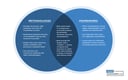
Project management methodologies establish a guiding set of rules and principles that teams can implement to achieve greater efficiency while maximizing positive project outcomes. Each methodology approaches project management differently, providing teams with a specific set of repeatable steps to follow throughout the project life cycle.
Agile
Agile project management offers an iterative and highly flexible approach to project management. It focuses on delivering the project in pieces throughout its life cycle, rather than all at once at the project’s conclusion. In agile project management, teams have more flexibility to adapt to challenges and redirections than in more structured methodologies, such as waterfall.
Best for
- Software development teams
- Teams dealing with high levels of uncertainty
- Teams who are creating prototypes that need multiple levels of edits and changes
- Teams working closely with external parties and stakeholders
Waterfall
Waterfall project management is a traditional approach to project management that involves rigid, sequential project phases. In the waterfall model, each phase of the project must be completed before the next phase can begin, and project deliverables are turned over only at the conclusion of the project.
Best for:
- Projects with a well-defined goal
- Projects with concrete timelines
- Teams who need to define rigid project requirements early on
Hybrid
Hybrid project management blends elements of both agile and waterfall, letting teams apply rigid, phase-by-phase planning to fixed deliverables while running iterative sprints on work that requires ongoing feedback and revision. Teams that operate under strict budget, timeline, or regulatory requirements can follow a defined sequence for those constraints and shift to a more flexible process for the parts of the project that are still taking shape.
Best for:
- Teams managing projects with both fixed and evolving requirements
- Organizations transitioning from waterfall to agile workflows
- Projects where some phases are well-defined but others require iteration
- Teams that need to meet strict compliance or reporting standards without sacrificing flexibility
When should you use project management?
Use project management when work has a defined goal, several related activities, or dependencies that need to be coordinated from start to finish. Below are examples that show when task management is sufficient and when a project management approach is more appropriate.
| Scenario | Task management | Project management |
|---|---|---|
| HR | Update employee records in an HR system. | Migrate the company to a new HR platform, which requires data transfer, testing, training, and approvals. |
| Content | Publish a blog post. | Launch a content campaign that requires research, creative production, stakeholder review, and scheduled promotion. |
| IT | Replace a broken laptop. | Refresh hardware across a department, including procurement, device setup, rollout scheduling, and asset tracking. |
| Finance / operations | Approve an invoice. | Open a new office, where contracts, equipment, staffing requirements, and move-in deadlines must be coordinated. |
The amount of work alone does not determine whether you need project management. Even a small initiative may require a project management approach when activities depend on one another, several people share responsibility, or delays in one area can affect the final deadline.
What tools are used in project management?
Project managers use tools such as project management software, Gantt charts, task boards, dashboards, and resource planning systems to plan work and track progress. The right tools depend on what the project needs to manage, such as schedules, dependencies, budgets, workloads, or team communication.
Project management software
Project management software helps teams organize all project essentials in one place, streamlining and simplifying the project management process overall. At every phase of the project life cycle, project management software supports teams’ ability to assign tasks, manage deadlines, view task dependencies, track team progress against goals, access data insights, and much more.

One globally popular option is monday work management, a highly visual and customizable platform that covers all the core project management features teams need in one workspace. Its flexibility across industries and team sizes is a big part of why it has grown into one of the most widely adopted work management systems available today.
Gantt charts
Gantt charts are one of the most common planning tools in project management. In a timeline-inspired format, Gantt charts highlight tasks against the project timeline, task dependencies, and designated assignees. Gantt charts are useful for teams who want to visualize projects at a high-level view while avoiding resource overload.
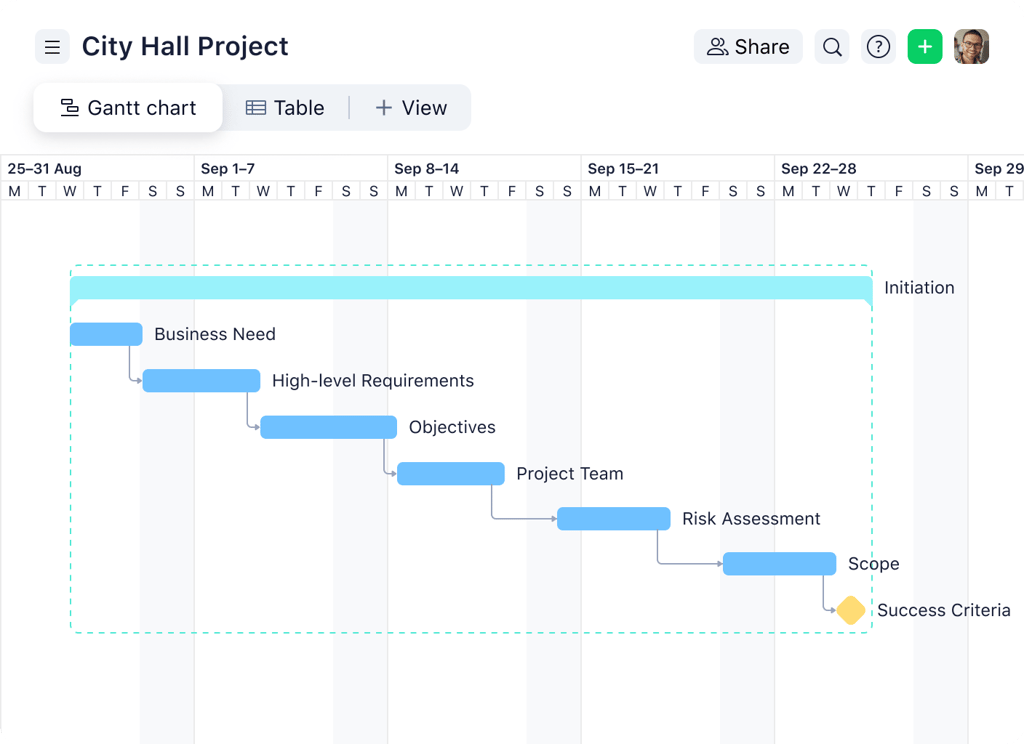
Wrike is a strong option for teams that rely heavily on Gantt charts, offering dynamic timelines that let you reschedule tasks in bulk, create dependencies and milestones, and import data directly from spreadsheets. That level of flexibility makes it easier to keep the timeline accurate as project scope and priorities shift throughout the project life cycle. Wrike also excels in resource management, providing tools for workload balancing and capacity planning.
Visit WrikeKanban board
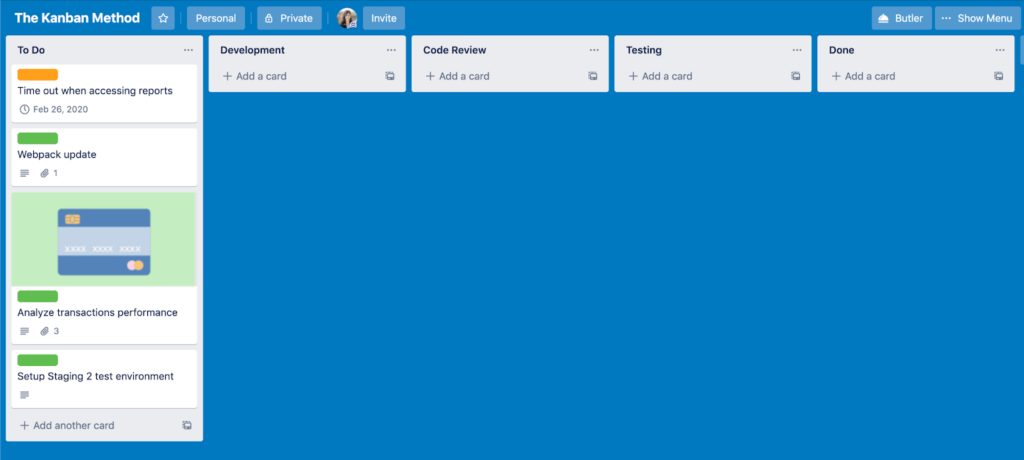
Kanban boards are great because they provide a visual and intuitive way to manage workflow and boost productivity. By representing work items as cards on a board with columns representing different stages of the process, Kanban boards offer a clear overview of the entire workflow at a glance. This visual representation helps teams identify bottlenecks, balance workload, and prioritize tasks effectively.
READ MORE: Best Project Planning Software and Tools
Scheduling tools
Scheduling tools in project management are software applications designed to help teams plan, organize, and track project timelines and resource allocation. These tools are crucial for efficient project execution, as they enable managers to create detailed project schedules, set milestones, assign tasks, and visualize project timelines.
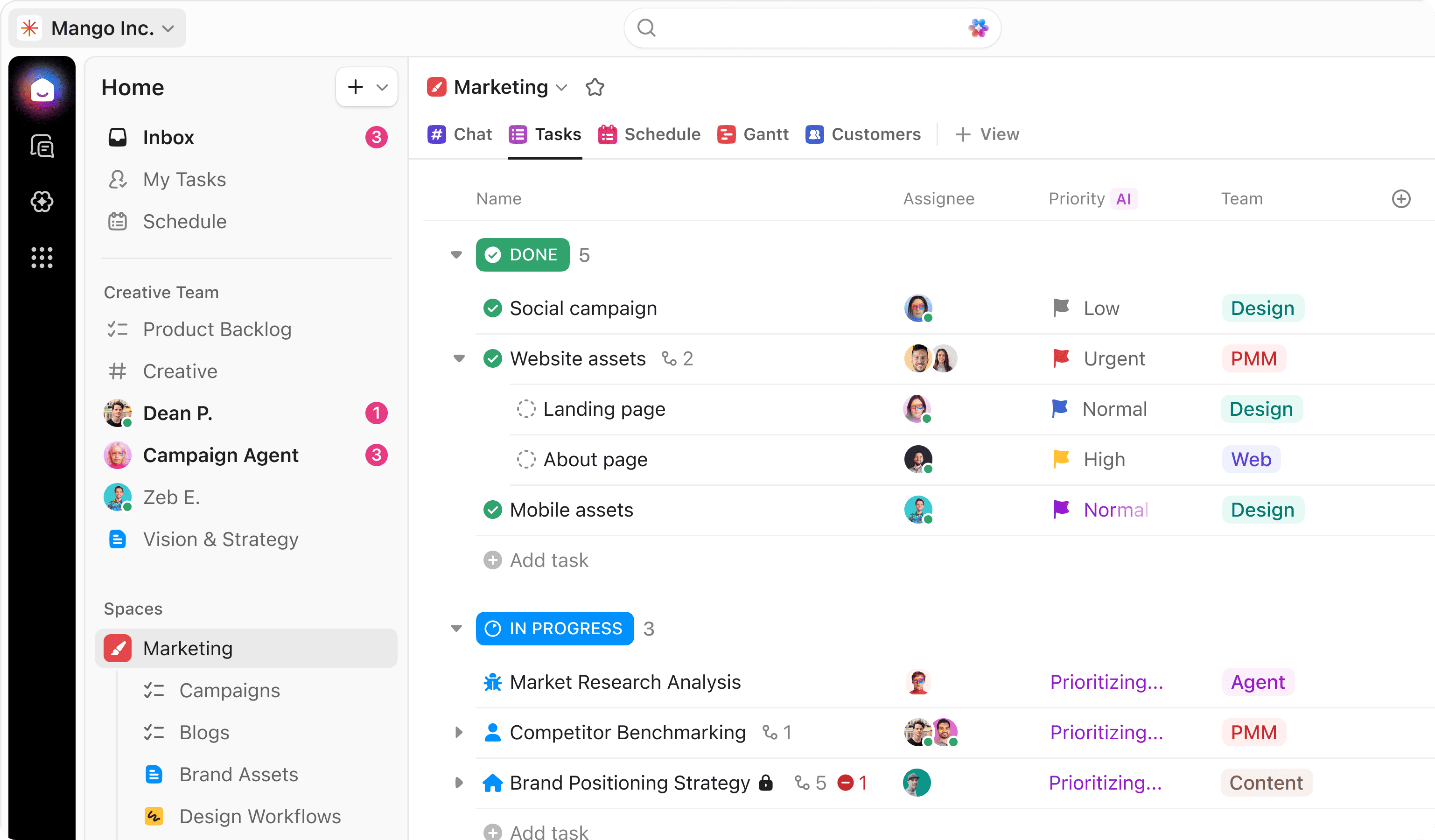
ClickUp excels as a scheduling tool due to its versatility and comprehensive feature set. It offers multiple project views such as list, board, and Gantt, as well as powerful configuration options to tailor the platform to your unique needs. ClickUp also provides robust task management capabilities, integrated time tracking, and advanced collaboration tools.
Visit ClickUpCollaboration tools
Collaboration tools in project management are digital platforms that enable teams to work together efficiently, regardless of their physical location. These tools are essential for enhancing communication, improving coordination, centralizing information, increasing productivity, and supporting remote work. By providing features such as real-time messaging, file sharing, task tracking, and video conferencing, collaboration tools foster seamless teamwork and information exchange.
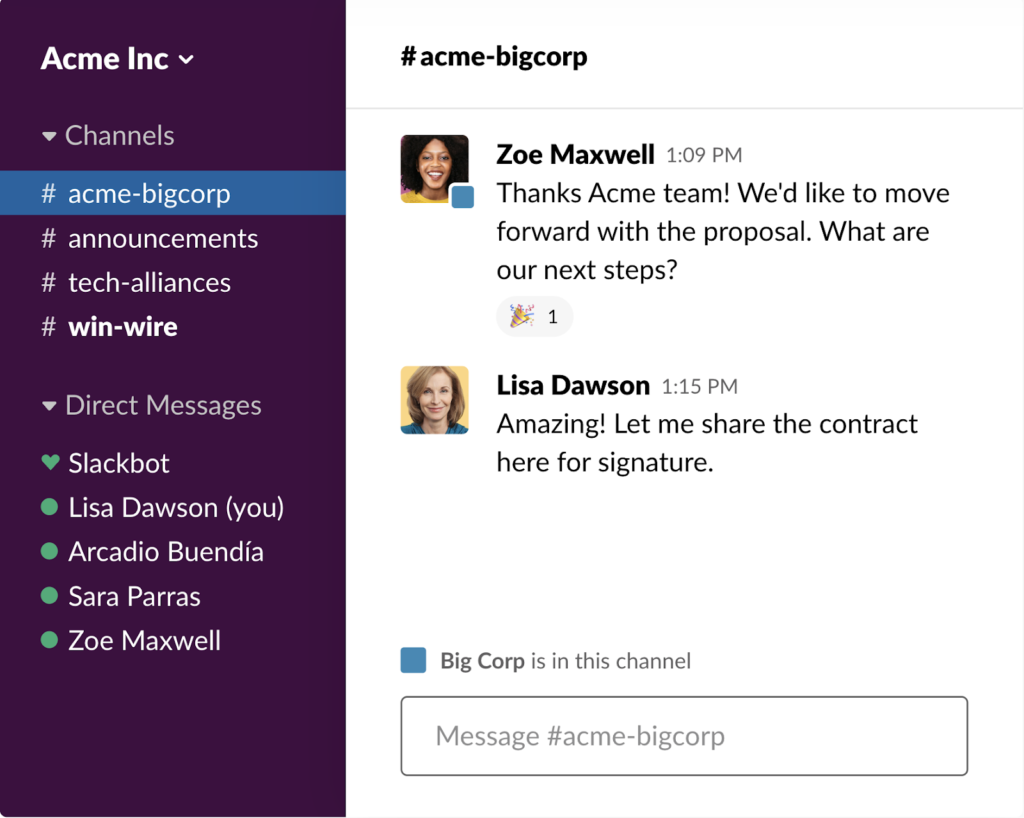
Slack is a communication-focused collaboration tool that allows users to communicate asynchronously through messaging, audio calling, and video conferencing. While many project management software offerings include collaboration features, Slack is a faster solution for teams who need to communicate efficiently as project updates come up.
Visit SlackMind mapping software
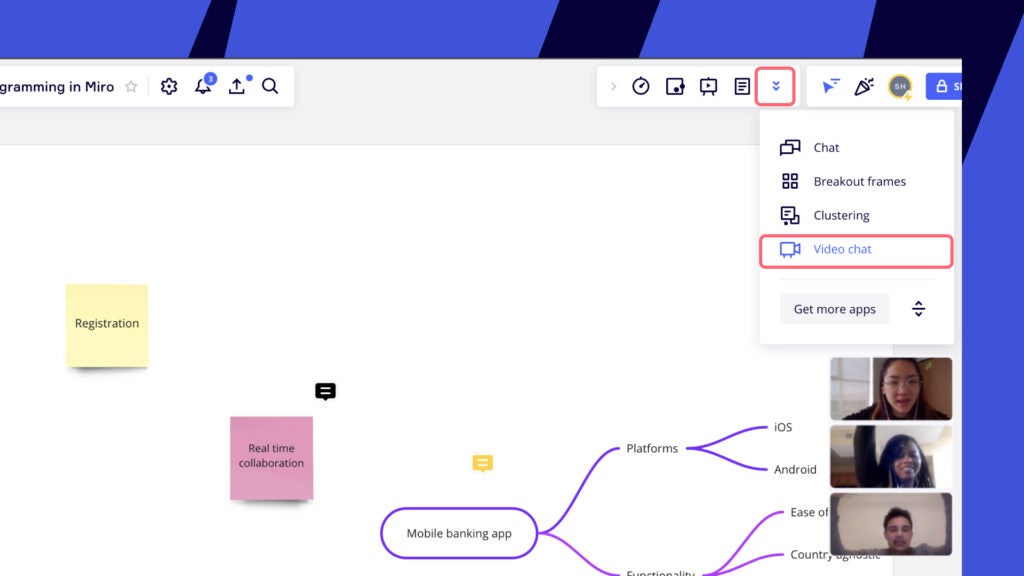
Miro is a collaborative mind-mapping software tool that aids in brainstorming sessions for an enhanced decision-making process. The application functions as a virtual whiteboard for teams to map ideas, add digital sticky notes, and plan out timelines.
Visit MiroHow AI is changing project management
AI is changing project management by taking over more of the analysis and administrative work that once required manual review. Project managers can now use AI to interpret project data, identify emerging issues, and prepare information for decisions.
- Greater need for AI governance: As AI influences more project decisions, teams need clear rules for when outputs require review or escalation. In 2026, PMI released its first global standard for the use of AI in project, program, and portfolio management, reflecting the growing need to govern how AI is used in project work.
- Faster planning and reporting: AI can summarize meetings, draft status reports, and turn project data into updates for different stakeholders. PMI’s 2025 research found that advanced GenAI users were 16 times more likely than early-stage users to report significant productivity gains.
- Earlier risk detection: AI can review schedules, dependencies, and historical data to surface patterns that may signal delays or resource conflicts. This gives project managers more time to investigate the cause before deciding how to respond.
- More decision support: AI can compare scenarios, summarize tradeoffs, and help project managers evaluate the likely effects of a change. Human review remains important because the project manager is responsible for the context and consequences behind the decision.
FAQs
What is a project?
A project is a temporary, time-bound sequence of tasks that aim to achieve a particular goal. It brings together the talents of multiple team members to deliver a tangible result or outcome over a predetermined span of time. Often, projects involve the work of multiple individuals across numerous areas of expertise, requiring an upfront investment in time and resources.
What is the primary purpose of project management?
The primary purpose of project management is to ensure the successful planning, execution, and completion of a set of tasks within defined constraints. It involves efficiently allocating resources, time, and budget to achieve desired outcomes. Project management aims to minimize risks, optimize resource utilization, and maintain quality standards throughout the project life cycle.
What is the primary goal of project management?
The primary goal of project management is to successfully execute a project to completion and achieve the objectives set forth during project initiation, while meeting — or exceeding — stakeholder expectations.
Why is project management important?
Project management provides structure to the process of executing a project, with the support and guidance of a project manager. Here are some of the top benefits of project management:
- Keeps projects on track. According to data from Wellingtone, only 43% of projects are finished on time and within budget, and only 29% are on time. Project management structures a plan for teams to stay on schedule and budget, making projects more likely to go as planned.
- Eliminates scope creep. Scope creep occurs when project requirements and the frame of work expand beyond what was agreed upon at the beginning of the project. It is one of the most common threats to project success, with the Project Management Institute reporting that half of all projects experience scope creep. Projects that adhere to best practices in project management are more likely to stick to the initial objectives and, ultimately, experience success.
- Enhances resource management. Project management involves planning and accountability, which can make resource management much easier. During the initial stage of the project management life cycle, teams outline team roles and responsibilities while monitoring individual workloads as work progresses, ensuring that resources are allocated appropriately.
- Facilitates team coaching and coordination. Project management efforts are traditionally led by a project manager or, at the very least, a dedicated team member who oversees team efforts while providing support throughout the process. Having a dedicated individual who can monitor project progress, address issues as they arise, and promote team accountability can help the project process move much more smoothly.
What does a project manager do?
A project manager is responsible for defining project goals and team roles, creating and managing schedules, allocating resources, managing budgets, and coordinating team members to ensure project objectives are met on time and within scope.
Project managers also identify and mitigate risks, communicate with stakeholders, and adapt to changes throughout the project life cycle. They serve as the primary point of contact for all project-related matters, facilitating collaboration between different departments and external partners.
Additionally, project managers are tasked with problem-solving, decision-making, and ensuring that project deliverables meet quality standards. Their role is crucial in balancing the competing constraints of time, cost, scope, and quality to achieve positive project outcomes.
How can organizations prioritize project management?
While every organization’s approach to project management is different, taking stock of your goals can help guide your next move. Take time to reflect on the projects your team has completed previously. What went well? What could have been improved?
If you don’t have the budget to hire a dedicated project manager, employing a project management software solution can help your team make big strides toward a strong project management strategy.
What project management tools are the best fit for my team?
Most teams will require a toolbox of project management aids rather than a single solution. Testing is key to determining which tools best fit your team. Most project management software solutions offer free trials and plans, making it easy to test out various options. Other tools, such as charts, planning aids, and mind maps, are free tools that can easily be tested and explored.