





















Welcome to the mid-year gut check that every project goes through. This is the time when we usually stand in front of the executive team to give our mid-year status updates, which I have done more than I want to think about.
This is also the point in the year when I’ve had to pause and get honest with myself about what can actually be delivered.
By Q3, the updates start getting louder. Every stakeholder has something different they need to protect: the IT leader wants confirmation that the new software passed cybersecurity review, the business leader wants ROI projections and market validation, and the marketing team needs screenshots yesterday so they can keep their campaign timeline moving.
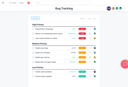
When the backlog becomes a sea of red “urgent” tags, you are not prioritizing — you are just color-coding panic.
If every deliverable triggers a fire drill, “urgent” stops meaning anything. To salvage Q3 and beyond, project managers have to stop acting like short-order cooks taking every ticket and start acting like emergency room doctors: assessing severity, protecting capacity, and deciding what actually needs attention first.
The Danger of Alarm Fatigue
Enthusiastic stakeholders are notoriously bad at estimating capacity. They confuse estimates with hard dates and assume the team can somehow find more hours in the week simply because a sponsor needs something done now.
When every request is treated like an emergency, resources get stretched thin, priorities get muddy, and teams start developing alarm fatigue.
This usually shows up right after the mid-year review, when the ad hoc ASAP requests start rolling in. In theory, many of these should be formal change requests. In practice, they often arrive as emails with exclamation points, “quick ask” subject lines, and urgency that may or may not match the actual business need.
Over time, that false urgency trains teams to tune out. It becomes the project version of The Boy Who Cried Wolf: if every new task is labeled urgent, nobody knows how to respond when the truly urgent work finally arrives.
Borrowing from the ER: The Art of Backlog Triage
The PMBOK® Guide provides useful principles for navigating uncertainty, managing tradeoffs, and keeping work aligned with business value. But by Q3, principles alone are not enough. This is when project managers need a more disciplined — and sometimes more ruthless — way to sort what matters most.
That is where triage comes in.
In an emergency room, patients are assessed by severity, so limited time, staff, and resources go where they can make the greatest impact. Backlog triage works the same way. The goal is not to make every stakeholder happy at once. It is to separate the truly urgent from the merely loud, protect team capacity, and make sure the work that matters most gets attention first.
1. Identify Your “Bleeding Neck”
In triage, the most critical, life-threatening issues are treated first. The same principle applies to your Q3 plan: What is the “bleeding neck” in your program or portfolio?
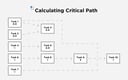
I have found that the best place to start is your critical path. Look at the work required to keep the project moving, identify the dependencies that could create the biggest delays, and compare that list against what stakeholders are calling urgent. If a task does not support the critical path, remove a blocker or protect a key dependency. It may be important, but it is probably not keeping the project alive.
Work with your sponsors to identify the 1–2 initiatives that would make the quarter an undeniable success, even if lower-priority work slips. Those are your true P1s. Everything else in the backlog should be weighed against them, not treated as equal competition for the team’s time.
2. Utilize the “Icebox”
Identifying priorities is only useful if you are also willing to name what is not a priority.
An “icebox” or “not-to-do list” is a documented register of good ideas, pet projects, nice-to-have features, and ad hoc requests that may have value, but are not getting attention in the next 90 days. The point is not to dismiss the work forever. It is to create a clear holding place so every new idea does not automatically become this quarter’s problem.
This is also where I’ve had to be very direct with stakeholders about opportunity cost. If the team absorbs every ad hoc request, something else has to give. And more often than not, that “something else” is the priority work everyone already agreed mattered most.
Once you document the icebox, communicate it clearly with sponsors and stakeholders, and get their buy-in as well. Make sure there is alignment on what goes in, what stays out, and what would justify revisiting the list. This has been one of the most effective ways I’ve found to protect the team’s sanity because everyone can see the difference between actual priorities and work that simply has a loud advocate.
3. The Urgent vs. Important Matrix
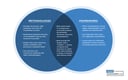
For the remaining tasks fighting for a spot in your Q3 sprints, run them through a ruthless grooming session using an Eisenhower matrix. It helps separate the work that protects the project from the work that simply arrived with dramatic punctuation.
- Urgent and important (Do first): They are the true priorities tied to the critical path and the dependencies that keep the project moving. If this work slips, the quarter is at real risk.
- Important, not urgent (Schedule): These are the strategic bets that deserve time before they become emergencies. For example, adding a more interactive UI may not be required for launch, but it could meaningfully improve the product experience. Schedule this work intentionally instead of waiting until someone panics about it later.
- Urgent, not important (Delegate or push back): These are often someone else’s emergencies. They may matter to another team or stakeholder, but that does not automatically mean they should derail your team’s priorities. For example, functionality improvements that can be handled in a post-launch update should not always interrupt the work required to get the product live.
- Not urgent, not important (Eliminate): Triage these out entirely. These tasks are the resource vampires feeding on your team’s bandwidth. If the primary color palette works, you do not need to pause delivery because someone wants the icons changed to cornflower blue.
4. Budget for Friction
One of the biggest resource planning mistakes I see is assuming the team will be available at 100% capacity. That plan looks great on paper, but servers crash, people get sick, approvals stall, priorities shift, and actual emergencies still happen.
A better rule of thumb is to plan around 75–80% capacity and leave room for friction. This gives the team enough flexibility to absorb real issues without turning every minor disruption into a project-threatening crisis.
It also helps to remember that most project resources are not owned by the PM. They are often on loan from functional managers, which means their time is shared, negotiated, and sometimes pulled elsewhere. Planning for that reality upfront is much easier than pretending it will not happen.
The Power of “Not Right Now”
Saying no to a panicked sponsor is uncomfortable, but effective project managers understand that “no” is not always permanent. Sometimes it just means, “Not right now.” Unless the priorities change, the existing priorities stay locked in.
I’ve found it helps to remind stakeholders that I am not saying “never.” I am saying, “Not right now, unless we agree this is more important than something already in motion.”
By triaging Q3 work more ruthlessly, you can protect the team’s sanity, manage expectations, and preserve enough capacity to deliver on the commitments that actually matter. The goal is not to shut down every new request. It is to reduce the panic, define true urgency, and make Q3 the quarter where the team actually finishes what it starts.